Quick Answer – Does Insulation Really Improve Indoor Air Quality?
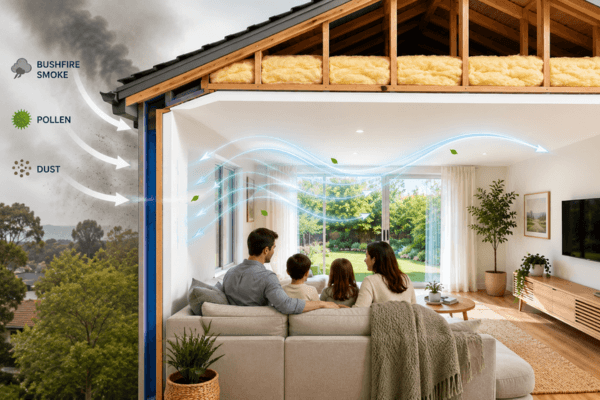
Yes. Quality insulation seals the building envelope, blocks outdoor pollutants like pollen and bushfire smoke, controls indoor humidity to prevent mould, and stabilises temperatures so HVAC systems filter air more effectively. For Victorian homes, upgrading old or compressed insulation can noticeably reduce dust, allergens and respiratory triggers, creating a healthier, more comfortable indoor environment year-round.
What Affects Indoor Air Quality in Victorian Homes?
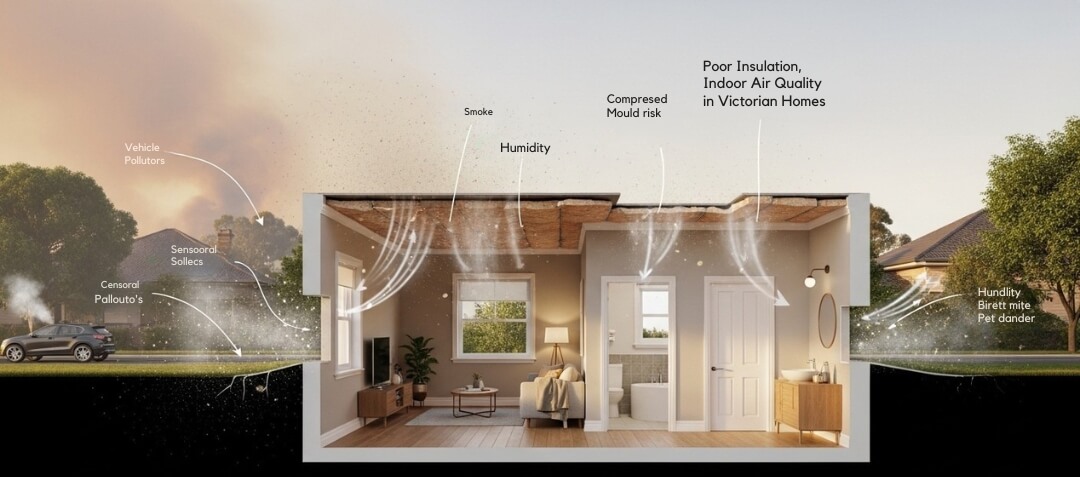
Most Victorians spend up to 90% of their time indoors, yet indoor air can be 2-5 times more polluted than the air outside. In Melbourne and across regional Victoria, several factors quietly compromise the air your family breathes every day.
Outdoor pollutants are a constant threat. Vehicle emissions from busy arterials, seasonal pollen from native trees and grasses, and bushfire smoke during peak summer all find their way inside through gaps, cracks and poorly sealed roof cavities.
Indoor sources add another layer of concern. Dust mites thrive in soft furnishings, mould flourishes in damp ceiling cavities and bathrooms, volatile organic compounds (VOCs) off-gas from paints and furniture, and pet dander circulates through every room.
Older Victorian homes are most at risk. A significant portion of Victoria’s housing stock is 25-30+ years old, with original insulation that has compressed, deteriorated, or in some cases never met modern thermal standards. These homes typically have leaky building envelopes, allowing pollutants to enter freely and humidity to build up unchecked.
How Insulation Improves Indoor Air Quality
Modern insulation does far more than keep your home warm in winter and cool in summer – it acts as a critical barrier between your family and the pollutants outside.
Sealing the building envelope is the first line of defence. Properly installed batts, wall wrap and sarking close the gaps that allow dust, smoke and pollen to drift inside.
Controlling humidity prevents the damp conditions mould needs to thrive. By keeping wall and ceiling surfaces closer to room temperature, insulation reduces condensation, the root cause of most household mould.
Reducing dust, pollen and bushfire smoke entry is especially important during Melbourne’s spring hay fever season and Victoria’s bushfire-prone summers. A well-insulated home becomes a refuge from outdoor air quality events.
Stabilising indoor temperature eases breathing for people with asthma, sinus issues or sensitive airways. Sudden temperature swings can trigger respiratory flare-ups; insulation smooths these out.
Working with your HVAC system, insulation reduces the workload on heaters and air conditioners. The result: cleaner, better-filtered air, lower energy bills, and longer system life.
Insulation and Allergens – What the Science Shows
Dust mites need humidity above 50% to survive. By stabilising indoor temperature and reducing condensation, insulation creates conditions that make it harder for mites to thrive, directly reducing one of the most common indoor allergens.
Pollen and seasonal hay fever in Melbourne can be debilitating, with the city famous for its high spring pollen counts and thunderstorm asthma events. Sealing your building envelope with quality insulation significantly reduces the volume of pollen drifting into living spaces.
Mould spores and condensation go hand in hand. Poorly insulated ceilings and walls develop cold surfaces where moisture condenses and mould takes hold. Upgrading insulation eliminates these cold spots and helps protect your family from airborne mould spores linked to asthma and respiratory illness.
Pet dander circulation is amplified in draughty homes, where air constantly flows between rooms and through ceiling cavities. A sealed, well-insulated home keeps dander contained where it can be vacuumed and cleaned, rather than recirculated.
Best Insulation Types for Indoor Air Quality
Not all insulation is created equal, especially when air quality and allergens are a priority. Here’s how the leading options compare.
Glasswool batts (Bradford Gold, Pink Batts, Knauf Earthwool) are the most widely used. They offer excellent thermal performance, strong fire resistance, and modern formulations are low-irritant when professionally installed.
Polyester insulation (such as GreenStuf) is made from recycled PET plastic. It’s hypoallergenic, itch-free, and contains no breathable fibres, an outstanding choice for asthma and allergy sufferers.
Foilboard and reflective insulation are excellent for roof spaces and walls where radiant heat is a concern, and they don’t harbour dust.
Wall wrap and sarking are the unsung heroes of the building envelope, creating a continuous barrier against air, dust, pollen and moisture infiltration.
Insulation Comparison Table
|
Material |
Typical R-Value |
Allergen Risk |
Fire Rating |
Best Use |
|
Glasswool (Bradford, Pink Batts, Knauf) |
R2.5-R6.0 |
Low (when professionally installed) |
Non-combustible |
Ceilings, walls, floors |
|
Polyester (GreenStuf) |
R2.0-R5.0 |
Very low (hypoallergenic, itch-free) |
Self-extinguishing |
Allergy-sensitive homes, walls |
|
Foilboard / Reflective |
R1.3-R2.5 |
Very low |
Non-combustible |
Roofs, behind walls, radiant heat zones |
|
Wall Wrap / Sarking |
Varies |
Very low |
Compliant |
Building envelope barrier |
Want a deeper dive into the two most popular options? Read our guide: Glasswool vs Polyester Insulation: Which Is Right for Your Home?
Signs Your Old Insulation Is Hurting Your Home’s Air Quality
If your home is more than 20 years old, your insulation may be quietly working against you. Look for these warning signs:
Persistent dust no matter how often you clean,a strong indicator that air is leaking through your ceiling cavity, carrying particulates with it.
Condensation on windows during cooler months, which suggests humidity isn’t being properly managed and mould risk is rising.
Musty smells from the ceiling cavity, often the first sign of mould growth in deteriorated insulation.
Worsening allergies, asthma or sinus issues in family members, particularly waking up congested or with itchy eyes.
Visible mould or staining on ceilings, cornices, or around downlights, which signals long-term moisture problems.
If you’ve noticed any of these signs, your insulation may be doing more harm than good. Learn more about our Insulation Removal service.
Why Removing Old Insulation Matters
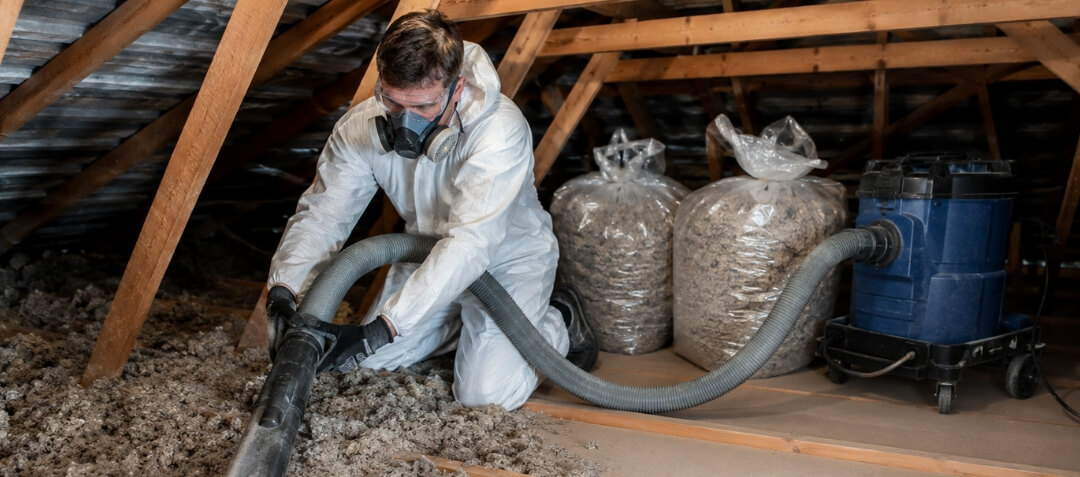
Adding new insulation on top of old, contaminated material is one of the most common mistakes Victorian homeowners make. Here’s why professional removal matters.
Rodent contamination, dust and degraded materials accumulate in roof cavities over decades. Mice, possums and rats often nest in old insulation, leaving droppings, urine and dander, all serious respiratory hazards. Add years of household dust, dead skin cells, and broken-down fibres, and the cavity above your ceiling becomes a major source of indoor air pollution.
Our vacuum-removal process is designed to safely and completely extract every trace of old insulation. Customers regularly mention in their reviews how thorough our team is, vacuuming the cavity clean, removing debris, and leaving the space ready for a fresh installation.
Disinfection before reinstallation ensures any lingering bacteria, mould spores or contaminants are neutralised before new insulation goes in. It’s a step many providers skip, but it’s essential for protecting your family’s health.
Find out more about our professional Insulation Removal service.
Why Choose Oz Homes Insulation in Victoria
When it comes to your family’s health and comfort, experience matters.
- ⭐ 600+ Google Reviews with a 4.9/5 star rating – real feedback from Victorian homeowners we’ve helped.
- 🏆 #1 Best Rated insulation contractor 2025 – recognised for service quality and workmanship.
🇦🇺 Australian-owned and operated, based in Ravenhall and servicing Melbourne and regional Victoria. - 🧱 Leading industry brands including Bradford, Knauf, Pink Batts, GreenStuf and Kingspan – only the best materials for your home.
- 📸 Photo documentation at every stage so you can see exactly what’s been removed, prepared and installed.
- 🏘️ Trusted across Victoria for residential homes, commercial buildings, and new builds.
We treat every home like our own, because cleaner air, lower energy bills and a more comfortable home shouldn't be a luxury.
📞 Call us today on 1300 383 802 or visit ozhomes.pmgswebdraft.com/ for a free quote.
Frequently Asked Questions
Can old insulation make allergies worse?
Yes. Over time, insulation accumulates dust, mould spores, rodent waste and degraded fibres. These contaminants circulate into your living spaces, often worsening asthma, hay fever and sinus issues. A professional insulation upgrade typically delivers immediate air quality improvements.
Does insulation help with bushfire smoke and Melbourne pollen?
Absolutely. A well-sealed building envelope including ceiling batts, wall insulation, sarking and wall wrap significantly reduces the volume of outdoor smoke and pollen entering your home. Combined with HVAC filtration, it’s one of the most effective defences against seasonal air quality events.
Is polyester insulation better for asthma sufferers?
Polyester insulation like GreenStuf is hypoallergenic, itch-free and contains no breathable fibres, making it an excellent option for households with asthma, eczema or chemical sensitivities. Our team can recommend the right material based on your family’s needs.
How often should home insulation be replaced?
Insulation typically performs at peak efficiency for 15-20 years. After 25-30 years, most insulation has compressed, deteriorated, or been disturbed by pests and tradespeople. If your insulation is older than 20 years, it’s worth booking an inspection.
Will new insulation reduce mould in my Melbourne home?
Yes. By eliminating cold spots and reducing condensation on ceilings and walls, modern insulation directly tackles the conditions mould needs to grow. Paired with proper ventilation, it’s one of the most effective long-term mould prevention strategies.
Does Oz Homes Insulation service my suburb?
We service all Melbourne metro suburbs and most of regional Victoria from our Ravenhall base. Call us on 1300 383 802 or check ozhomes.pmgswebdraft.com/ to confirm coverage for your area.
Yes. Over time, insulation accumulates dust, mould spores, rodent waste and degraded fibres. These contaminants circulate into your living spaces, often worsening asthma, hay fever and sinus issues. A professional insulation upgrade typically delivers immediate air quality improvements.
Absolutely. A well-sealed building envelope including ceiling batts, wall insulation, sarking and wall wrap significantly reduces the volume of outdoor smoke and pollen entering your home. Combined with HVAC filtration, it's one of the most effective defences against seasonal air quality events.
Polyester insulation like GreenStuf is hypoallergenic, itch-free and contains no breathable fibres, making it an excellent option for households with asthma, eczema or chemical sensitivities. Our team can recommend the right material based on your family's needs.
Insulation typically performs at peak efficiency for 15-20 years. After 25-30 years, most insulation has compressed, deteriorated, or been disturbed by pests and tradespeople. If your insulation is older than 20 years, it's worth booking an inspection.
Yes. By eliminating cold spots and reducing condensation on ceilings and walls, modern insulation directly tackles the conditions mould needs to grow. Paired with proper ventilation, it's one of the most effective long-term mould prevention strategies.
We service all Melbourne metro suburbs and most of regional Victoria from our Ravenhall base. Call us on 1300 383 802 or check ozhomes.pmgswebdraft.com/ to confirm coverage for your area.
Ready to breathe easier?
If it’s been more than 20 years since your insulation was checked or you’ve noticed signs of dust, mould or worsening allergies, now is the time to act.
📞 Call OZ Homes Insulation on 1300 383 802
🌐 ozhomes.pmgswebdraft.com/
🏡 Cleaner air. Lower bills. A healthier home.