Introduction
Indoor air quality (IAQ) is a critical factor in ensuring a healthy and comfortable living environment. Poor air quality can lead to many health problems, including allergies, respiratory issues, and fatigue. While many focus on ventilation and air purifiers, insulation is a lesser-known but equally important contributor to IAQ. Proper insulation not only enhances comfort and energy efficiency but also plays a pivotal role in reducing indoor air pollutants.
Understanding Indoor Air Quality and Its Challenges
Indoor air quality refers to the purity of the air inside buildings, influenced by various factors like allergens, mould, and pollutants. Poor IAQ often stems from:
- Allergens like dust mites and pollen.
- Mould growth due to excess humidity.
- Pollutants from external air infiltration or chemical off-gassing from building materials.
A lack of insulation can exacerbate these problems by allowing external air to seep in, disrupting indoor temperatures and introducing pollutants.
The Role of Insulation in Improving IAQ
1. Reducing External Pollutants
High-quality insulation acts as a barrier against outdoor contaminants such as dust, pollen, and smog. By sealing gaps and cracks, insulation prevents these pollutants from infiltrating your living space.
2. Controlling Humidity Levels
Proper insulation helps maintain optimal humidity levels, reducing the risk of mould and mildew growth. Mould not only damages structures but also releases spores that can harm respiratory health.
3. Temperature Regulation
Thermal insulation ensures consistent indoor temperatures, minimising condensation—a breeding ground for mould and bacteria.
Types of Insulation That Boost Air Quality
Choosing the right insulation materials can significantly impact IAQ. Consider the following options:
1. Wool Insulation
Wool insulation is natural and sustainable. It is hypoallergenic, resistant to mould and mildew, and absorbs and neutralises indoor pollutants.
2. Cellulose Insulation
Made from recycled paper, cellulose insulation is eco-friendly and treated to resist pests and mould.
3. Fibreglass with Formaldehyde-Free Binders
Traditional fibreglass insulation with formaldehyde-free binders eliminates harmful off-gassing, improving indoor air safety.
4. Spray Foam with Low-VOC Content
Spray foam insulation with low levels of volatile organic compounds (VOCs) offers excellent air-sealing capabilities without releasing harmful chemicals.
Best Practices for Installing Insulation to Enhance IAQ
- Seal Properly: Ensure all cracks and gaps are sealed with vapour barriers to prevent air leakage.
- Inspect Regularly: Check insulation for damage, gaps, or pest infestations that could compromise its effectiveness.
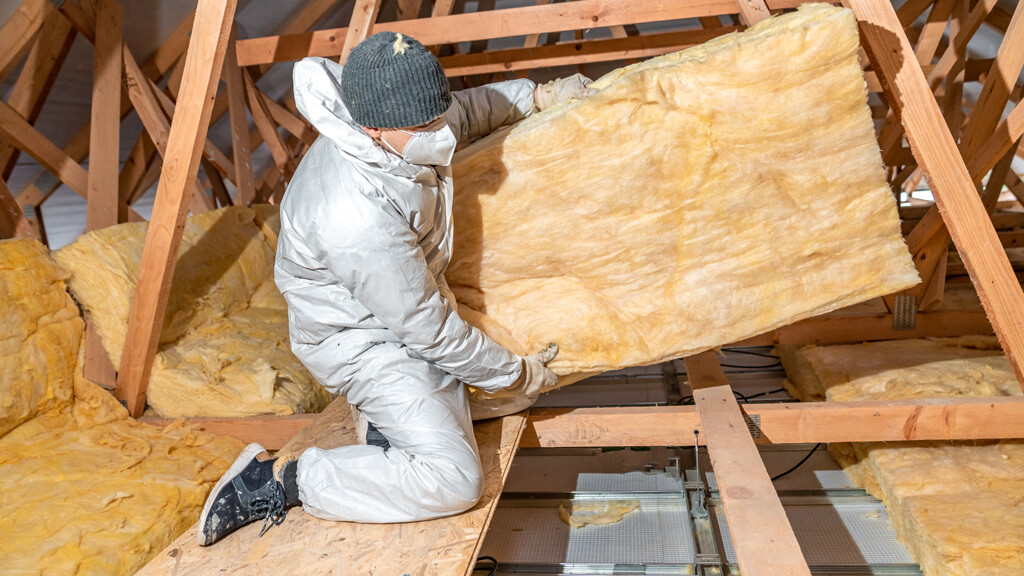
- Hire Professionals: Expert installation guarantees proper coverage and adherence to safety standards, minimising health risks.
Additional Tips for Maintaining Good IAQ
Pair insulation efforts with these practices for optimal results:
- Enhance Ventilation: Use mechanical ventilation systems or air purifiers to maintain fresh airflow.
- Choose Low-Emission Products: Opt for low-VOC paints, furniture, and finishes to reduce indoor pollutants.
- Clean Regularly: Regular dusting, vacuuming, and air filter replacements help minimise allergens and contaminants.
Conclusion
Insulation is a powerful tool for improving indoor air quality, ensuring a safer and healthier home environment. By reducing outdoor air infiltration, controlling humidity, and maintaining consistent temperatures, insulation combats many common IAQ challenges.
Investing in eco-friendly materials and professional installation enhances the benefits, ensuring long-term comfort and health. For Australian homeowners, OZ Homes Insulation provides expert guidance, premium products, and tailored services to create the ideal indoor environment.
Embrace the benefits of improved air quality today for a healthier, more comfortable tomorrow.